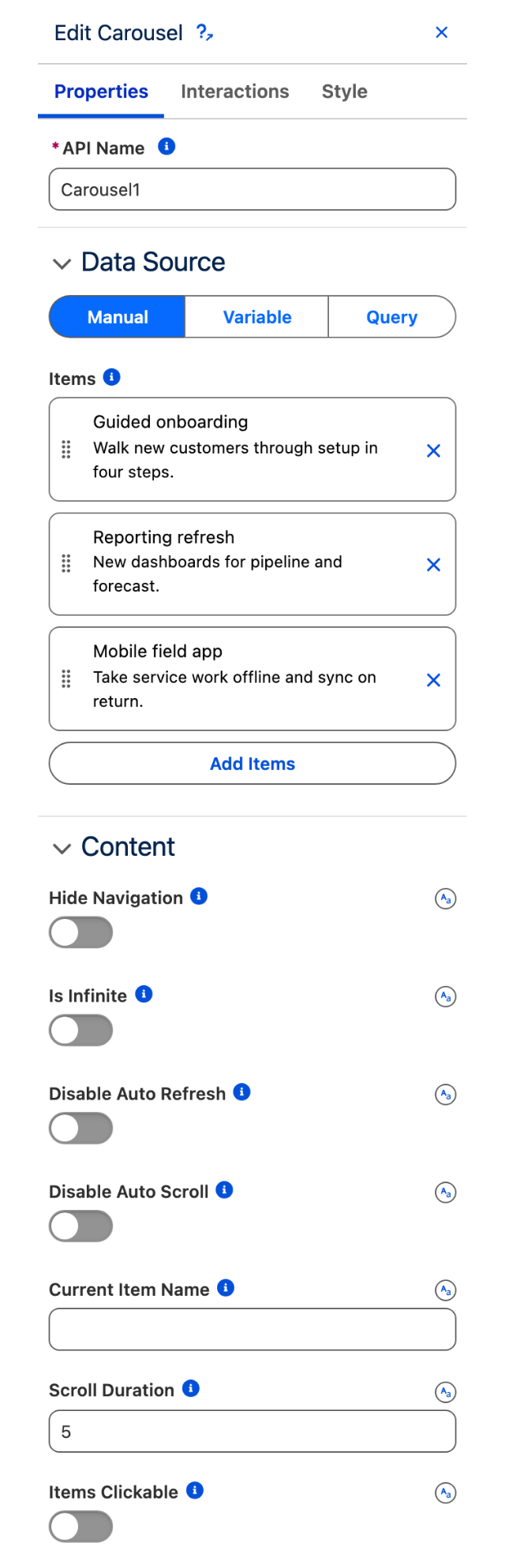
Carousel

Overview

The Carousel component allows you to display a collection of items—images, text, and actions—in an interactive, rotating slideshow.

It is designed to optimize screen real estate by cycling through content within a fixed area, making it ideal for highlighting features, browsing visual galleries, or guiding users through a sequence of information without cluttering the page.


Common Use Cases

Use Case
Description
Example

Product Showcase

specific featured items or new arrivals in a horizontal scroll.

A "New Arrivals" section on a Home Page showing product images and prices.

Image Gallery

A visual portfolio or event recap.

Displaying photos from a recent site visit or marketing event.

Testimonials

Cycle through social proof without taking up vertical space.

A single-item slider showing quotes and client names.

Onboarding/Steps

Guide users through a linear process.

A "How it Works" carousel with 3 slides: Step 1, Step 2, and Step 3.


Configuration

Data Source & Mapping

First, determine how the carousel receives data. You can manually add items or bind the component to a collection.

  • Data Source: Select Manual for static content (like a fixed banner) or Variable/Query to dynamically load Salesforce records (like "Related Products").

  • Data Mappings: If using dynamic data, you must map your data fields to the Carousel's display attributes:

Carousel Attribute
Description
Example Mapping

Title

The main header text for the item.

{Product_Name__c}

Description

Subtext or details below the title.

{Short_Description__c}

Image

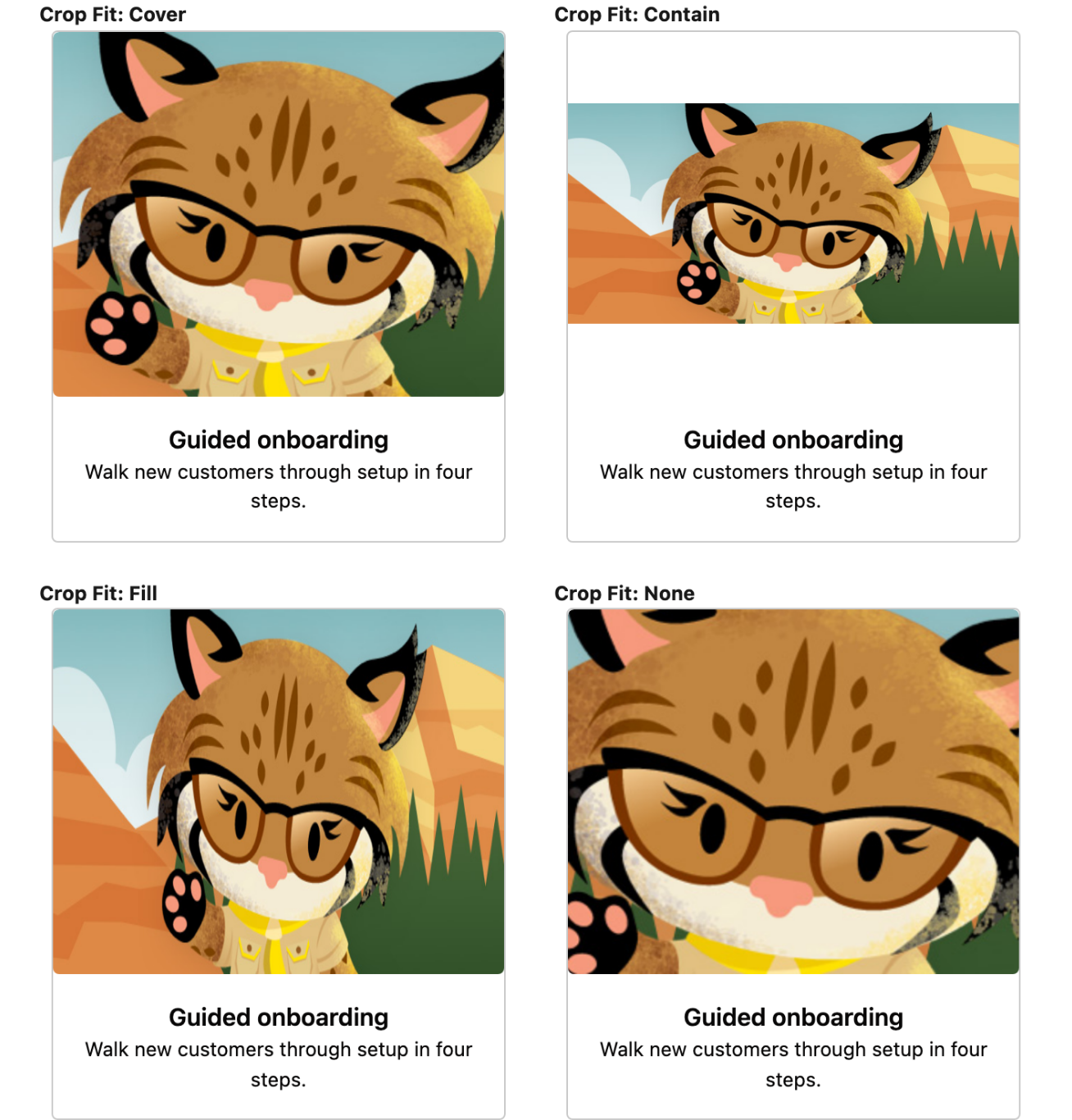
The background or hero image for the item.

{Image_URL__c}

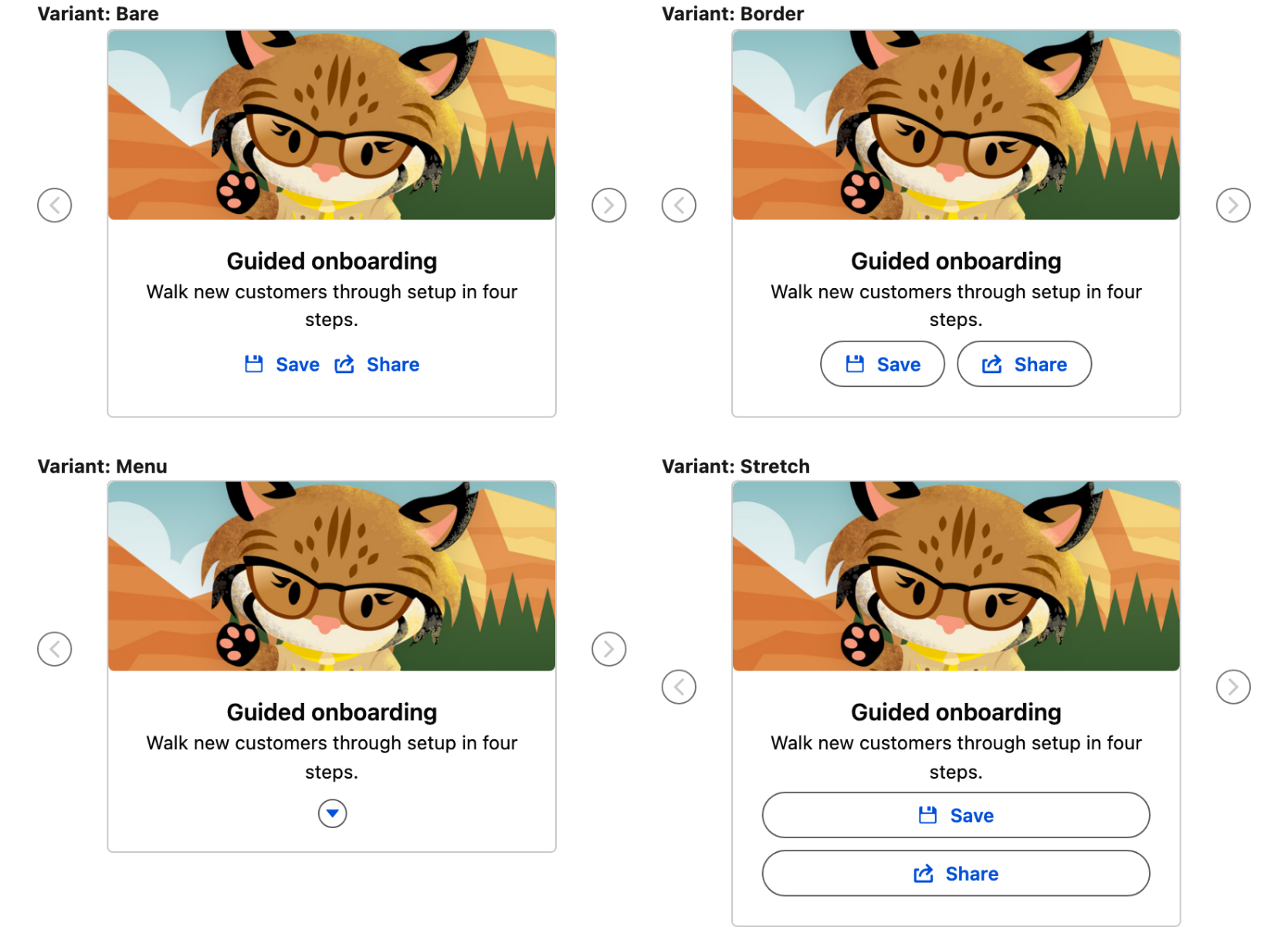
Actions

Buttons or links associated with the item.

Navigate to {RecordId}

Layout & Responsiveness

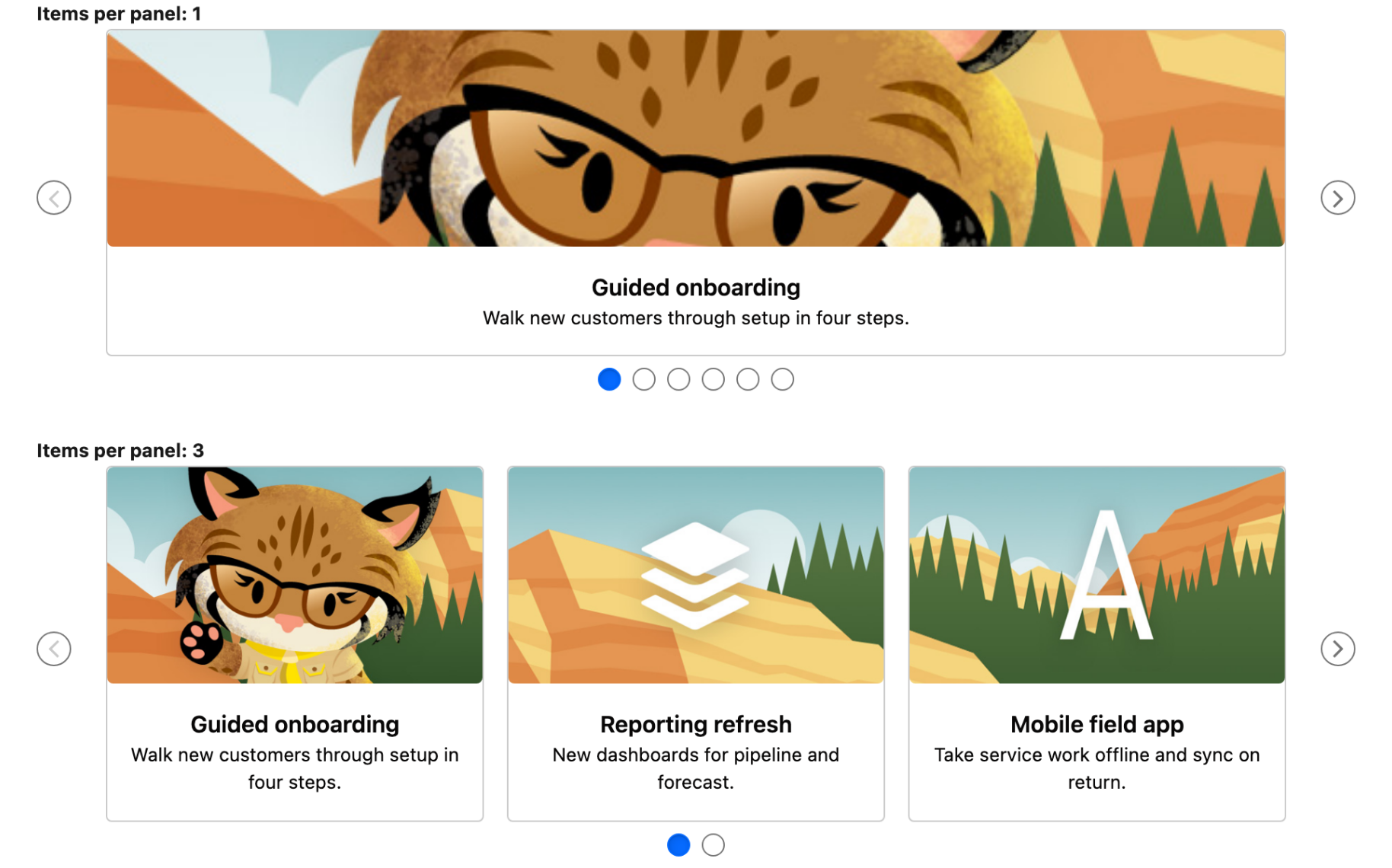
Control the density of information displayed. You can define specific "Items Per Panel" settings for different device widths to ensure the carousel looks good on phones, tablets, and desktops.

  • Items Per Panel: The number of cards visible at once (e.g., set to 1 for a "Hero Banner" feel, or 4 for a "Product Shelf" feel).

  • Gap: Adjust the spacing between items.

Interaction & Visuals

Fine-tune how users navigate through the content.

  • Navigation: Toggle the visibility of the "Previous" and "Next" arrows.

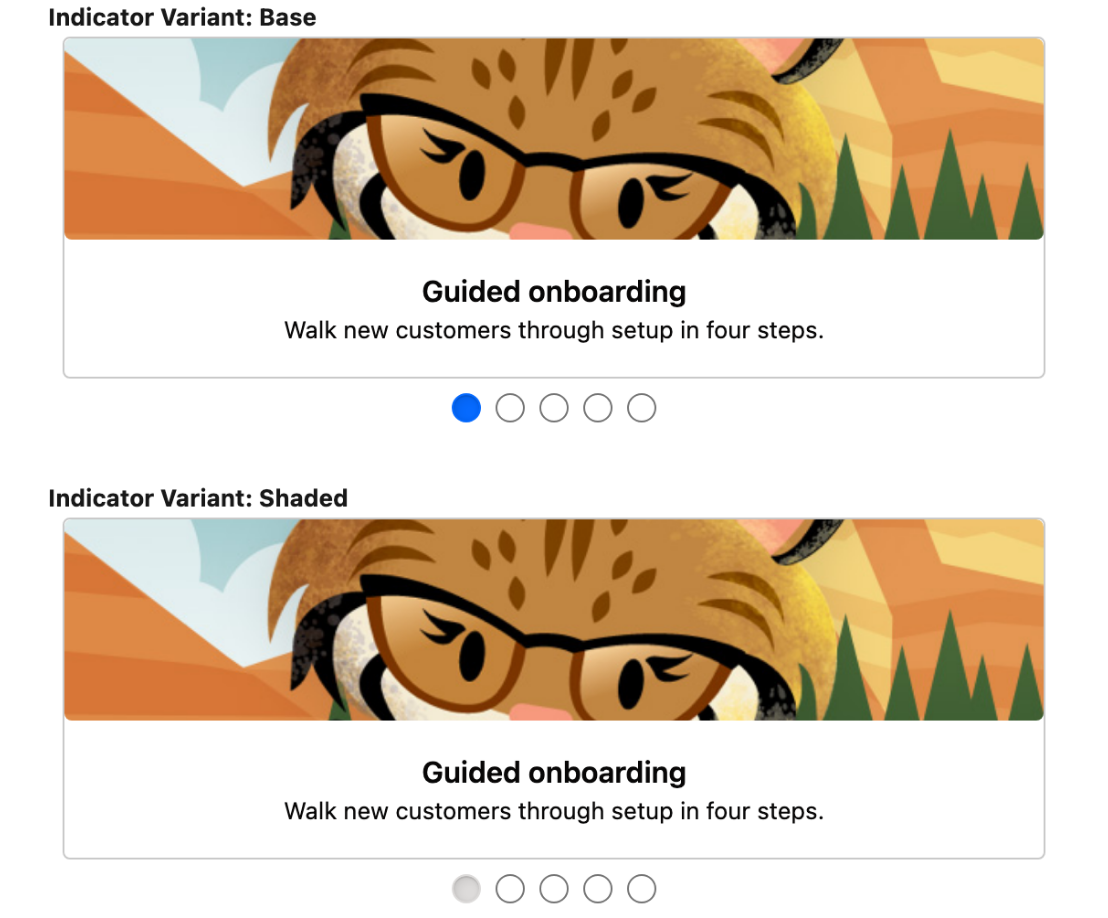
  • Indicators: Customize the dots or progress bars that show the current slide position.

  • Autoplay: (Optional) Set the carousel to advance automatically after a set duration.

  • Item Clickable: Enable the entire card to act as a trigger (e.g., clicking anywhere on the image navigates to a detail page).


  • Showcase Multiple Items: Display a collection of items in a limited space.

  • Enhance Visual Appeal: Create an engaging and interactive user experience.

  • Highlight Featured Content: Draw attention to important items or promotions.

  • Improve Navigation: Guide users through a series of related items or steps.

Last updated

Was this helpful?